
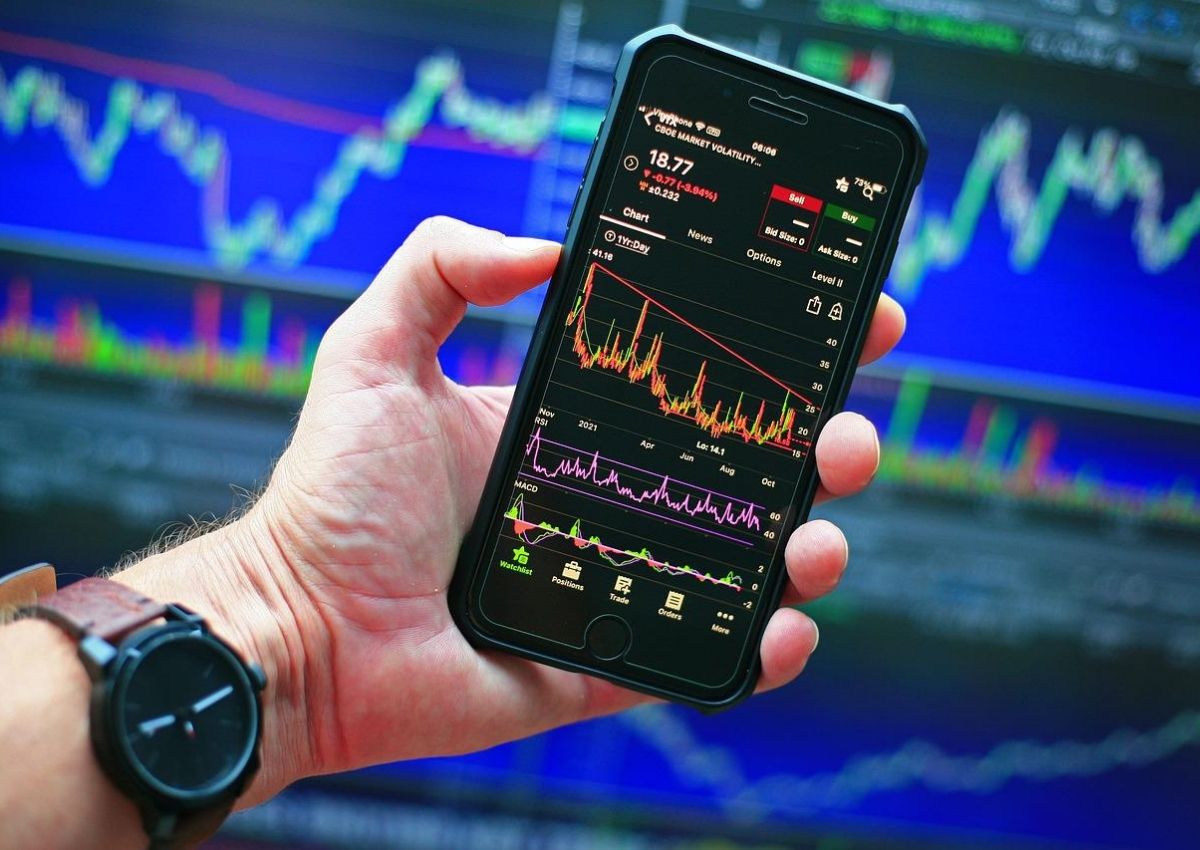
How Market Volatility Impacts CFD Trading in India
Contract for Difference (CFD) trading has become a popular way for Indian investors to access global markets such as forex, commodities, indices, and international equities. One of the most important factors influencing CFD trading outcomes is market volatility—the rate at which asset prices fluctuate over time.
Understanding market volatility and its effects is crucial for Indian traders who want to manage risk effectively and optimize trading strategies. This article explores how volatility impacts CFD trading in India, its risks, opportunities, and best practices for managing it.
What Is Market Volatility?
Market volatility refers to the frequency and magnitude of price fluctuations in a financial instrument over a period of time. High volatility means prices can change sharply within short periods, while low volatility indicates stable price movements.
Volatility can result from:
- Economic data releases (e.g., GDP, inflation, employment reports)
- Global geopolitical events
- Corporate earnings announcements
- Central bank policies and interest rate changes
- Natural disasters or unexpected crises
In CFD trading, volatility can amplify both profits and losses due to the leveraged nature of positions.
Why Volatility Matters for CFD Traders in India
CFDs are leveraged instruments, meaning traders control larger positions than their actual capital. This makes Indian traders more sensitive to price swings:
- Profit Potential: Sharp price movements can generate significant gains on leveraged positions.
- Increased Risk: The same movements can lead to substantial losses if the market moves against the trader.
- Execution Impact: Volatile markets can cause slippage, requotes, or delays in order execution.
Properly understanding and managing volatility is critical to protecting capital and optimizing returns. Using Vida Markets as an international broker for India, Indian investors can access multi-asset CFD and forex instruments.
How Market Volatility Impacts CFD Trading
- Increased Price Swings and Trading Opportunities
High volatility creates rapid and unpredictable price changes, which can be advantageous for:
- Day traders seeking intraday price movements
- Swing traders aiming to capture short-term trends
- Scalpers capitalizing on small price differences
However, trading during volatile periods requires discipline and quick decision-making, as positions can reverse quickly.
- Amplified Risk Due to Leverage
Leverage magnifies both gains and losses in CFD trading. In volatile markets, Indian traders can experience:
- Rapid depletion of account balance if the market moves against them
- Frequent margin calls if equity falls below the required margin
- Potential liquidation of positions during extreme price swings
Traders must monitor positions closely and adjust leverage according to market conditions.
- Slippage and Execution Challenges
Slippage occurs when a trade is executed at a different price than requested. High volatility often leads to:
- Wider spreads between bid and ask prices
- Increased slippage during market gaps or news events
- Occasional requotes from the broker
Indian traders should select brokers with fast execution and transparent pricing to reduce the impact of slippage.
- Emotional and Psychological Effects
Volatility can trigger emotional trading behaviors such as:
- Overtrading or chasing losses
- Fear-driven decision-making
- Impulsive entry or exit from positions
Maintaining discipline and sticking to a trading plan is essential to avoid costly mistakes during volatile periods.
- Impact on Stop-Loss and Risk Management
During volatile market conditions:
- Stop-loss orders may be triggered quickly due to sharp price swings
- Take-profit levels may be reached faster than expected
- Traditional risk-reward ratios may need adjustment
Indian traders should adapt stop-loss and take-profit levels to account for wider market fluctuations.
Strategies for Indian Traders to Manage Volatility in CFD Trading
- Use Appropriate Leverage
Avoid maximum leverage during high-volatility periods. Lower leverage reduces the risk of rapid losses.
- Apply Stop-Loss and Take-Profit Orders
Automated orders protect capital by limiting losses and locking in profits even when markets move unpredictably.
- Diversify Positions
Trading multiple assets or markets reduces the impact of extreme volatility in a single instrument.
- Trade During Preferred Market Sessions
Understanding global market hours helps Indian traders anticipate periods of higher volatility, such as:
- London and New York sessions for forex
- Earnings seasons for international equities
- Commodity inventory release days for oil and metals
- Monitor Global News and Events
Stay informed about economic reports, geopolitical developments, and central bank decisions, as these events often drive sudden volatility.
- Practice Risk Management and Position Sizing
Limit the size of trades relative to account balance to ensure that even adverse market moves do not result in catastrophic losses.
Benefits of Volatility for Indian CFD Traders
While volatility increases risk, it also offers opportunities:
- Faster profit potential for short-term strategies
- Increased price movement for technical trading strategies
- Greater opportunities to implement hedging strategies
- Dynamic market conditions for learning and improving trading skills
The key is balancing opportunity with risk management.
Conclusion
Market volatility is a double-edged sword in CFD trading for Indian traders. It creates opportunities for profit, but also magnifies risk, especially in leveraged positions. Understanding volatility, choosing brokers with fast execution, applying stop-loss and risk management strategies, and monitoring global market events are essential steps for trading successfully.
By respecting market volatility and managing risk effectively, Indian traders can participate in global CFD markets with confidence and increase their chances of long-term success.