
How CFD Brokers Operate in the Indian Online Trading Ecosystem
The Indian online trading landscape has evolved rapidly over the past decade, driven by increased internet penetration, mobile technology, and growing interest in global financial markets. Among the various trading instruments attracting attention, Contracts for Difference (CFDs) have emerged as a popular choice for traders seeking exposure to international assets without owning them directly. Understanding how CFD brokers operate within the Indian online trading ecosystem is essential for traders looking to participate responsibly and effectively.
Understanding CFDs and the Broker’s Role
A Contract for Difference (CFD) is a derivative product that allows traders to speculate on the price movement of assets such as forex, indices, commodities, stocks, and cryptocurrencies. Instead of purchasing the underlying asset, traders enter into a contract with a broker to exchange the difference in price between the opening and closing of a trade.
CFD brokers act as intermediaries between traders and the global financial markets. Their core responsibilities include providing trading platforms, pricing data, leverage, order execution, risk management tools, and customer support.
Regulatory Environment and Market Structure in India
CFD trading operates in a unique regulatory environment in India. Domestic exchanges regulated by the Securities and Exchange Board of India (SEBI) do not permit CFDs for retail trading. As a result, Indian traders typically access CFDs through international brokers regulated in offshore jurisdictions such as the UK, EU, Australia, or other global financial hubs. Vida Markets in India offers Indian traders access to global CFD and forex markets with advanced trading tools.
While these brokers are not regulated by Indian authorities, reputable CFD brokers operate under strict international regulatory frameworks. Indian traders are responsible for understanding the regulatory status of the broker they choose and ensuring compliance with local laws, including taxation and foreign exchange regulations.
Account Opening and Trader Onboarding
CFD brokers serving Indian clients usually offer a fully digital onboarding process. Traders can open accounts online by submitting identification documents, proof of address, and completing a basic risk assessment. This process aligns with global Know Your Customer (KYC) and Anti-Money Laundering (AML) standards.
Once approved, traders can fund their accounts using international payment methods such as bank transfers, e-wallets, or supported digital payment solutions. Many brokers also provide demo accounts, allowing Indian traders to practice without financial risk.
Trading Platforms and Technology Infrastructure
Technology plays a central role in how CFD brokers operate. Brokers provide advanced trading platforms such as MetaTrader 4, MetaTrader 5, or proprietary web-based and mobile platforms. These platforms offer:
- Real-time price feeds
- Advanced charting tools
- Technical indicators
- Automated trading options
- Mobile and desktop access
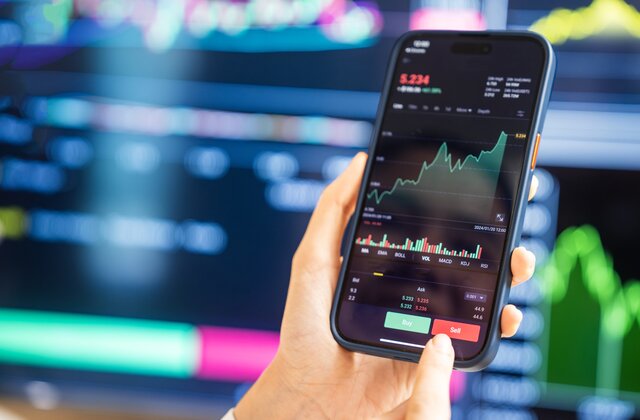
For Indian traders, mobile trading is especially important, as a significant portion of users trade via smartphones. Reliable platforms ensure fast execution, minimal downtime, and a seamless trading experience.
Order Execution and Pricing Models
CFD brokers use different execution models to process trades. These include:
- Market Maker models, where the broker sets prices internally
- STP (Straight Through Processing) models, where trades are routed to liquidity providers
- ECN (Electronic Communication Network) models, offering direct market access
Many modern CFD brokers use hybrid models to balance execution speed and pricing efficiency. Pricing is typically derived from global liquidity providers, ensuring that Indian traders receive competitive spreads and transparent market pricing.
Leverage and Margin Management
One defining feature of CFD trading is leverage, which allows traders to control larger positions with a smaller capital outlay. CFD brokers set margin requirements based on asset type, market volatility, and regulatory limits.
In the Indian context, brokers often adjust leverage levels to align with global risk standards. Traders are provided with margin monitoring tools, stop-loss options, and margin call alerts to help manage risk effectively.
Risk Management and Trader Protection
Responsible CFD brokers emphasize risk management as a core operational principle. Common tools offered include:
- Stop-loss and take-profit orders
- Negative balance protection
- Margin alerts
- Risk warnings and educational content
These measures are designed to protect traders from excessive losses, particularly in volatile market conditions. Education and transparency are key components of broker operations in this area.
Education and Customer Support
CFD brokers operating in the Indian online trading ecosystem increasingly focus on trader education. This includes webinars, market analysis, tutorials, trading guides, and risk awareness resources tailored for beginner and intermediate traders.
Customer support is typically available via live chat, email, or phone, with extended hours to match global market sessions. High-quality support is essential for Indian traders navigating international markets across different time zones.
The Growing Role of Global Market Access
One of the main reasons Indian traders choose CFD brokers is access to global markets. CFDs allow participation in forex, US and European equities, global indices, commodities, and cryptocurrencies—all from a single trading account. This global reach significantly expands trading opportunities beyond domestic exchanges.
CFD brokers operate as technology-driven financial intermediaries within the Indian online trading ecosystem, offering access to global markets, advanced trading platforms, and flexible trading conditions. While regulatory considerations require traders to exercise due diligence, professional CFD brokers focus on transparency, execution quality, education, and risk management.
For Indian traders, understanding how CFD brokers function is a crucial step toward making informed trading decisions and participating responsibly in the global financial markets.